New materials and a redesigned tap changer push technological boundaries—and challenge established ways of thinking.
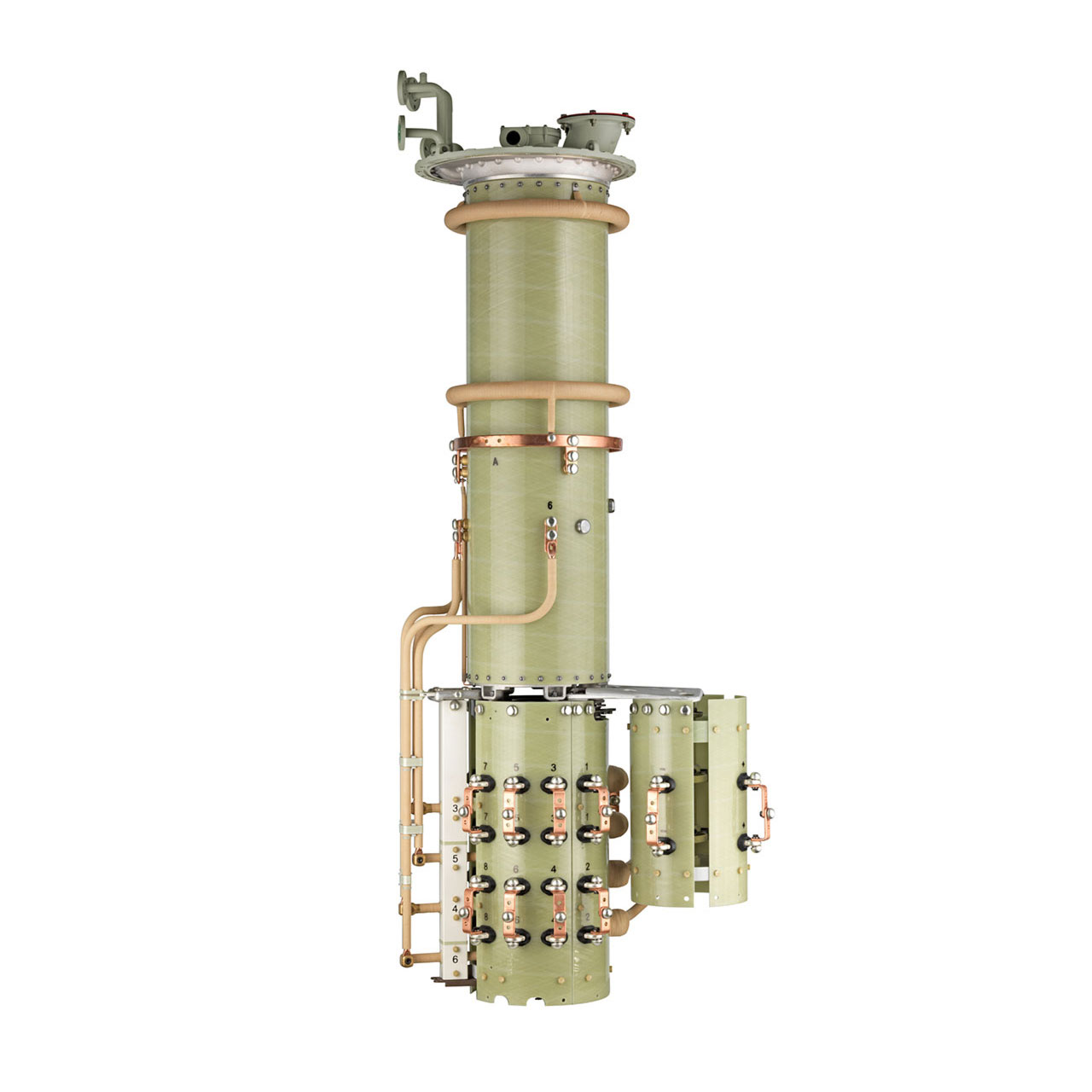
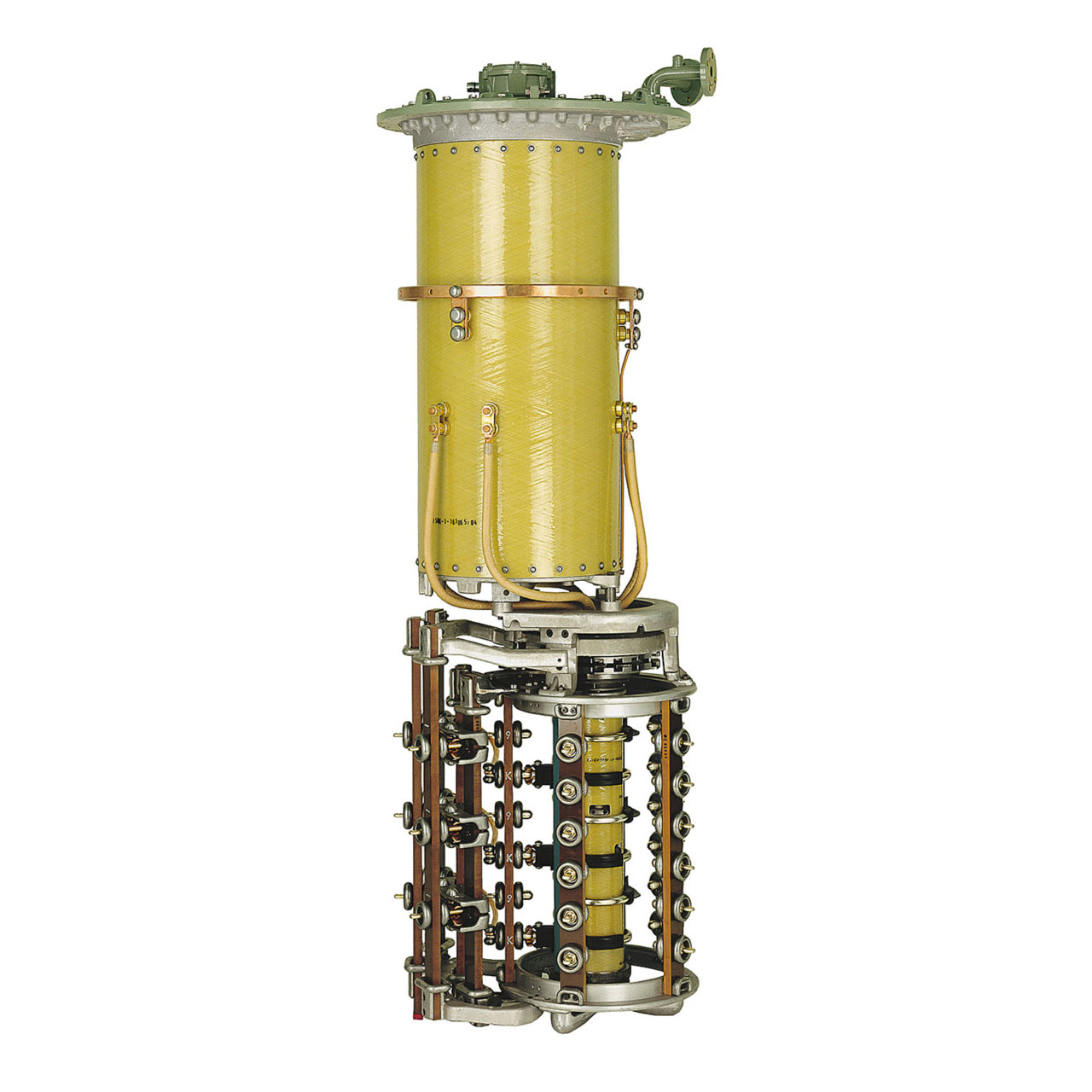
The development of Type R superseded Type T in the early 1990s. Compared to Type T, Type R featured a modernized diverter switch and a completely new type of tap selector. All insulating materials used in the selector were made of fiber-reinforced composites. The voltage stress on the tap selector is higher than on the diverter switch, and once installed in the transformer, the tap selector is only accessible with considerable effort. Because of these circumstances, this development – as it was the case with the introduction of composite materials in diverter and selector switches – was met with great skepticism by transformer manufacturers.
The market demanded OLTCs with higher step voltages than Type M, but with load currents comparable to Type M. Type M could not be adapted to this requirement, and Type R was oversized and therefore too expensive for many applications. To meet market demands, Type RM was developed, combining the diverter switch of Type R with the tap selector of Type M.