Where oil is no longer an option, new solutions emerge: the on‑load tap changer adapts to changing environmental and safety requirements.
Transformer manufacturers met the demand for environmentally friendly distribution transformers with dry-type transformers. Since they contain no insulating oil, they have a lower fire load (e.g., in high-rise buildings in densely populated areas) and are less harmful to the environment (e.g., for use in water protection zones). Following their market establishment, the demand for voltage regulation quickly followed. Only an insulating oil-free OLTC could provide a market-ready solution.
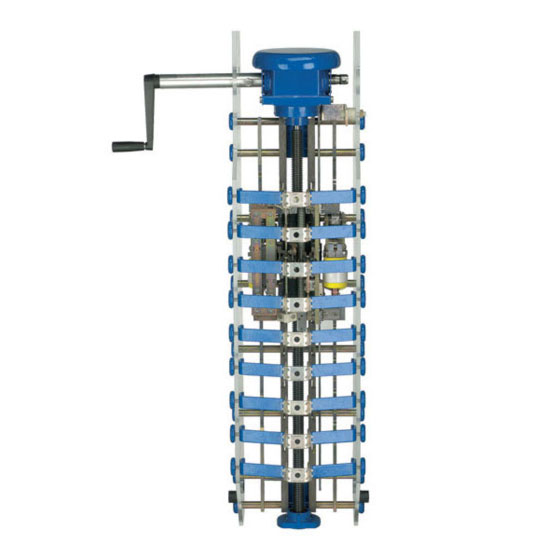
MR's answer was the Type VT, whose design allowed for the complete elimination of insulating oil. The challenges were: replacing the insulating oil as an arc-quenching medium (diverter switch), insulating medium (entire OLTC), and lubricant (mechanical components).
Fiber-reinforced composites, special lubricants, and vacuum interrupters for the diverter switch were used. Vacuum interrupters were already known from their use in circuit breakers and even in reactor-type tap-changers (not the Janssen-type resistor type OLTC). Both the introduction of vacuum interrupters into the resistor type tap-changer and the oil-free design of the OLTC can be considered groundbreaking steps.
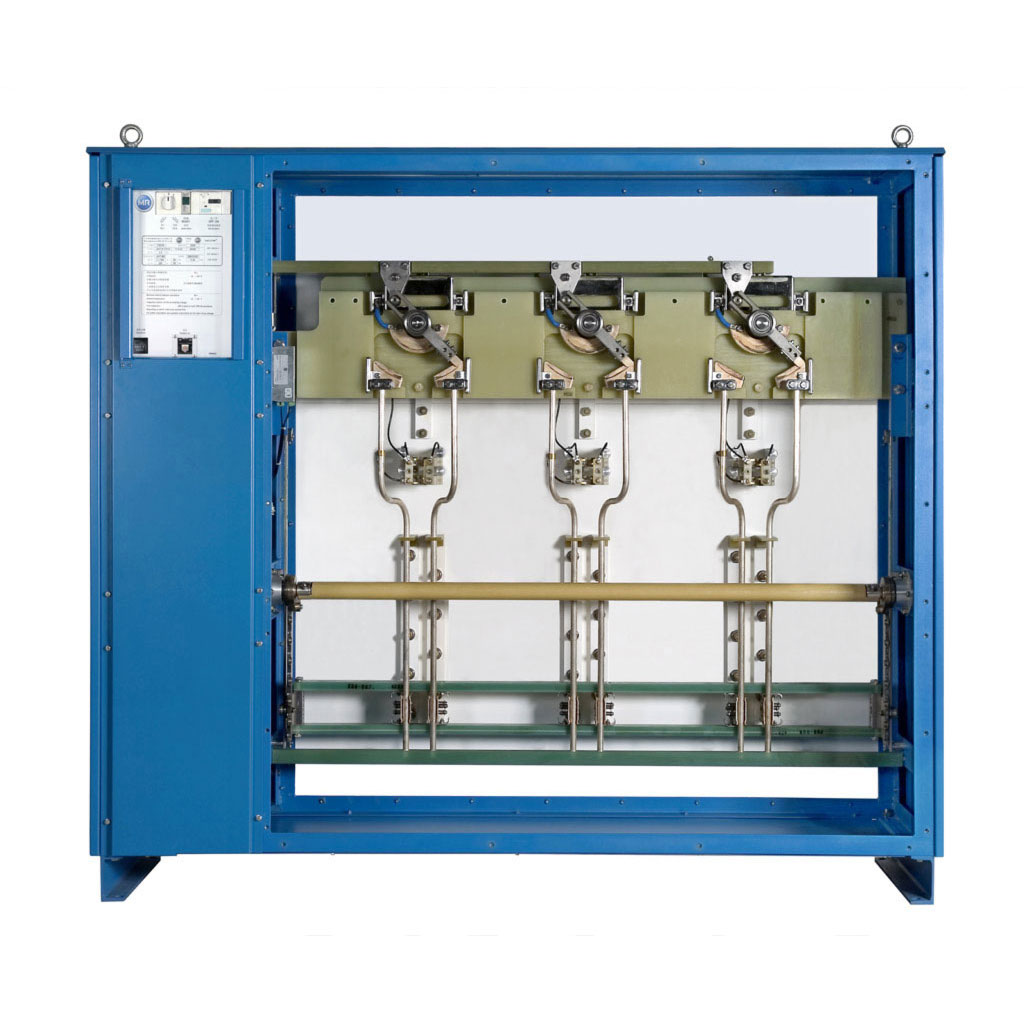
The Type AVT is a smaller OLTC for dry-type transformers und is, contrary to the Type VT, designed as a three-phase OLTC, which is housed in its own enclosure.