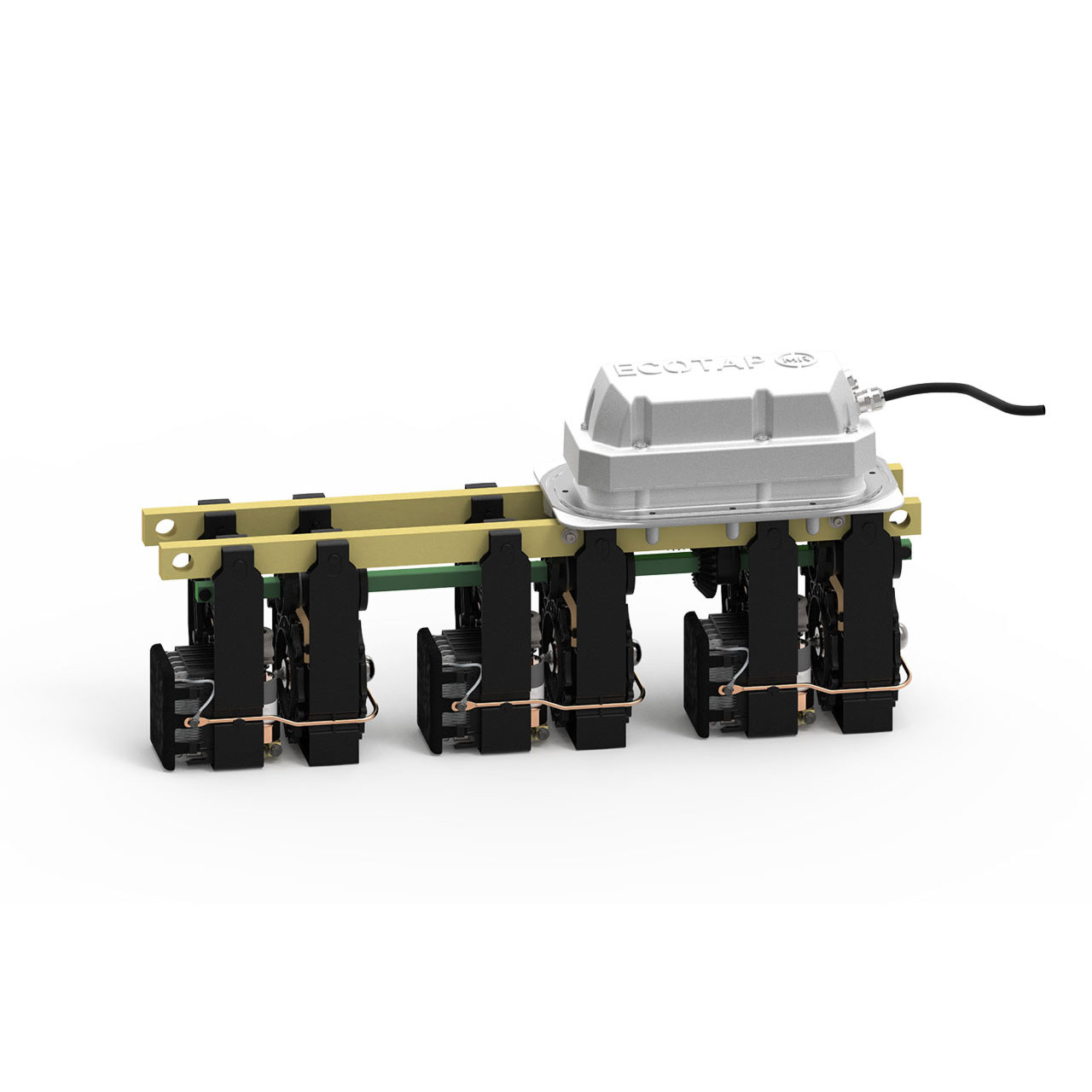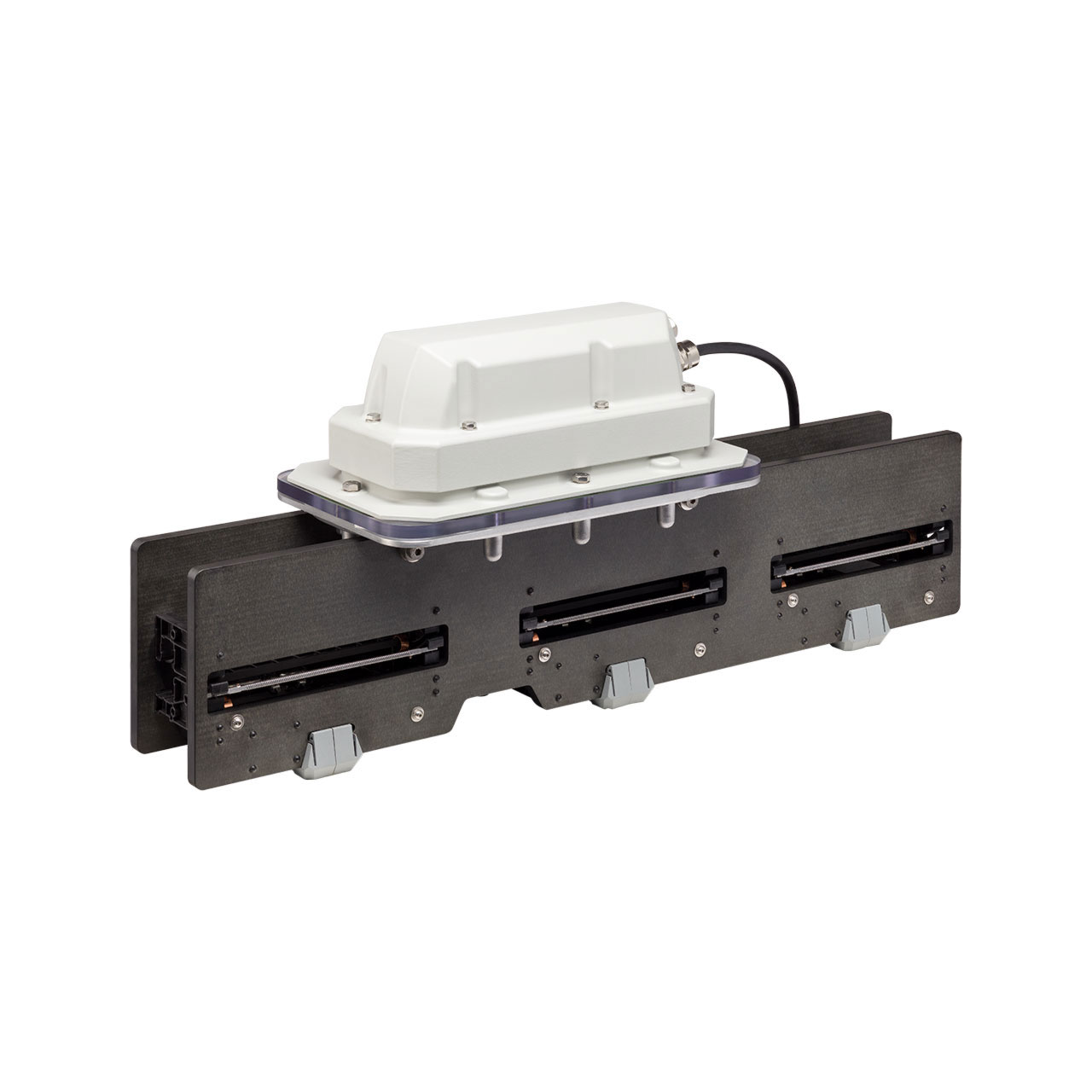
With the rise of renewable energy, voltage regulation shifts into the distribution grid—and the OLTC becomes more compact, more efficient, and suitable for mass deployment.
With the rise of photovoltaics and wind turbines in commercial energy generation, a need for voltage regulation suddenly arose that had not been required before: voltage regulation in the distribution network.
This required OLTCs that were both small and, due to the very large number of units needed, cost-effective. A first step in this direction was the GRIDCON® iTap®, and together with the distribution transformer, a new class was created: voltage regulated distribution transformers (VRDT).
Integrating an OLTC meant that the distribution transformers had to be enlarged in their external dimensions and no longer fit into the existing and largely standardized transformer substations. To keep the costs of using these VRDTs manageable, a solution was sought that would allow the new generation of distribution transformers to be integrated into existing systems, especially housings. MR’s answer to this challenge was the Type ECOTAP® VPD®, which marked a further significant milestone as the smallest resistor type OLTC in the history of OLTCs.