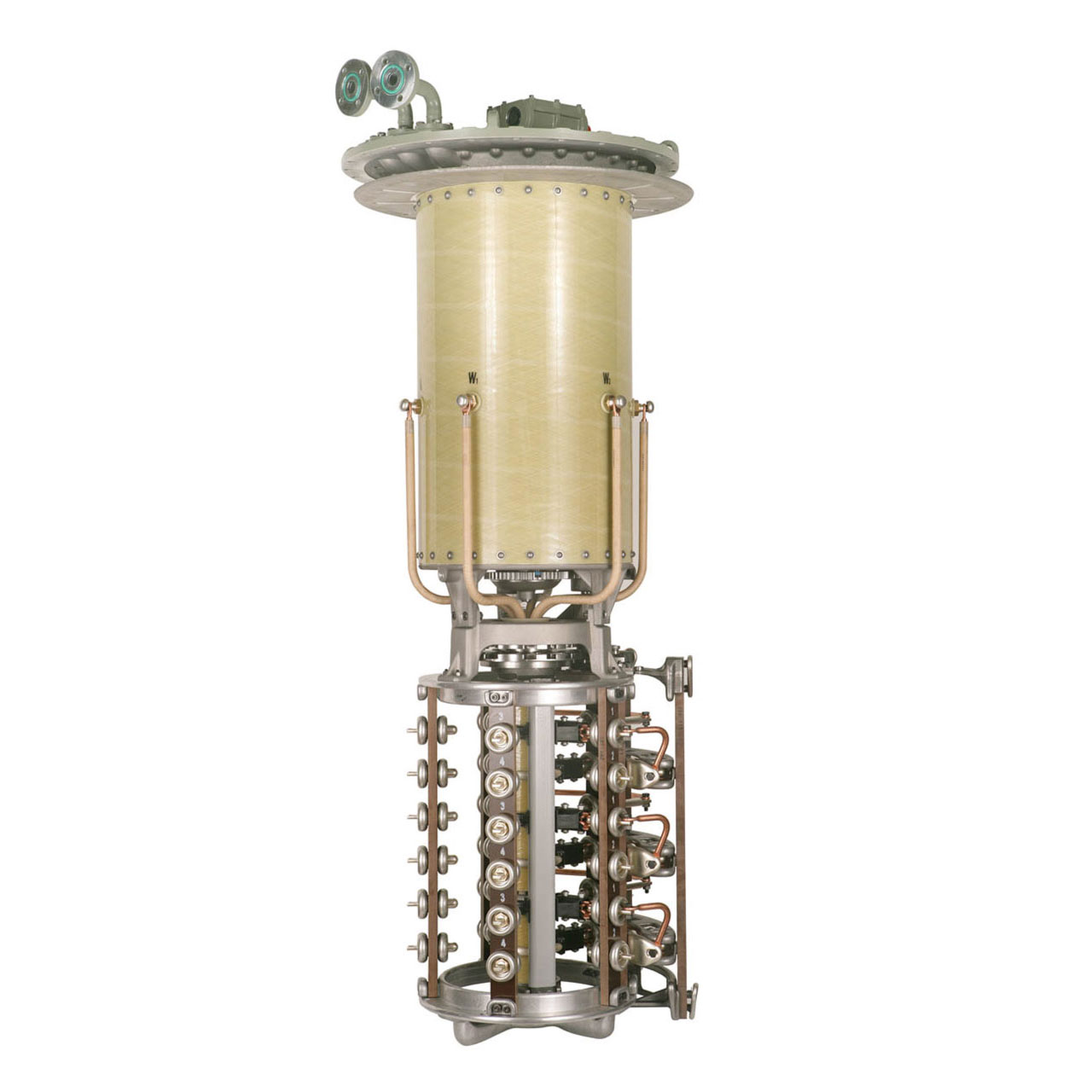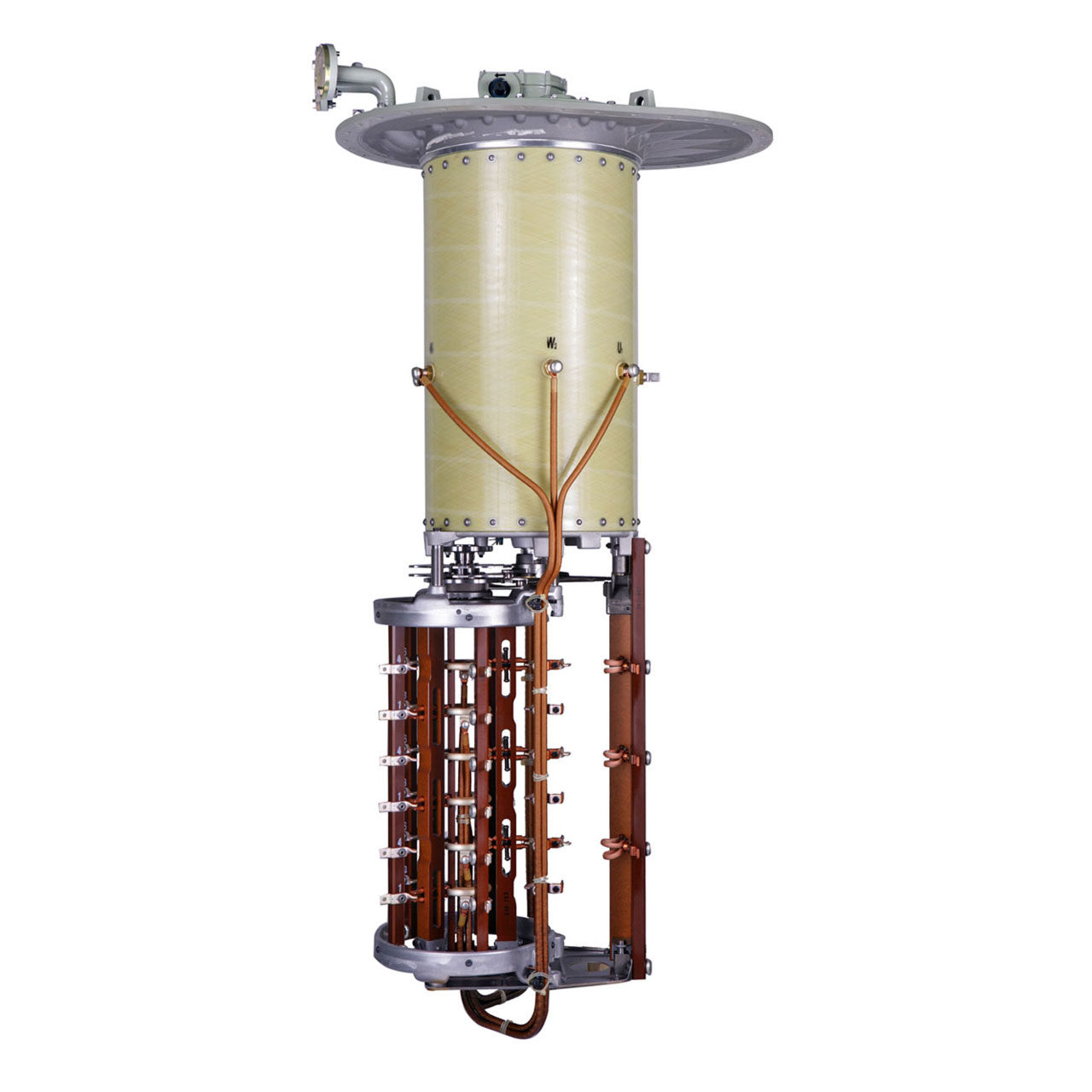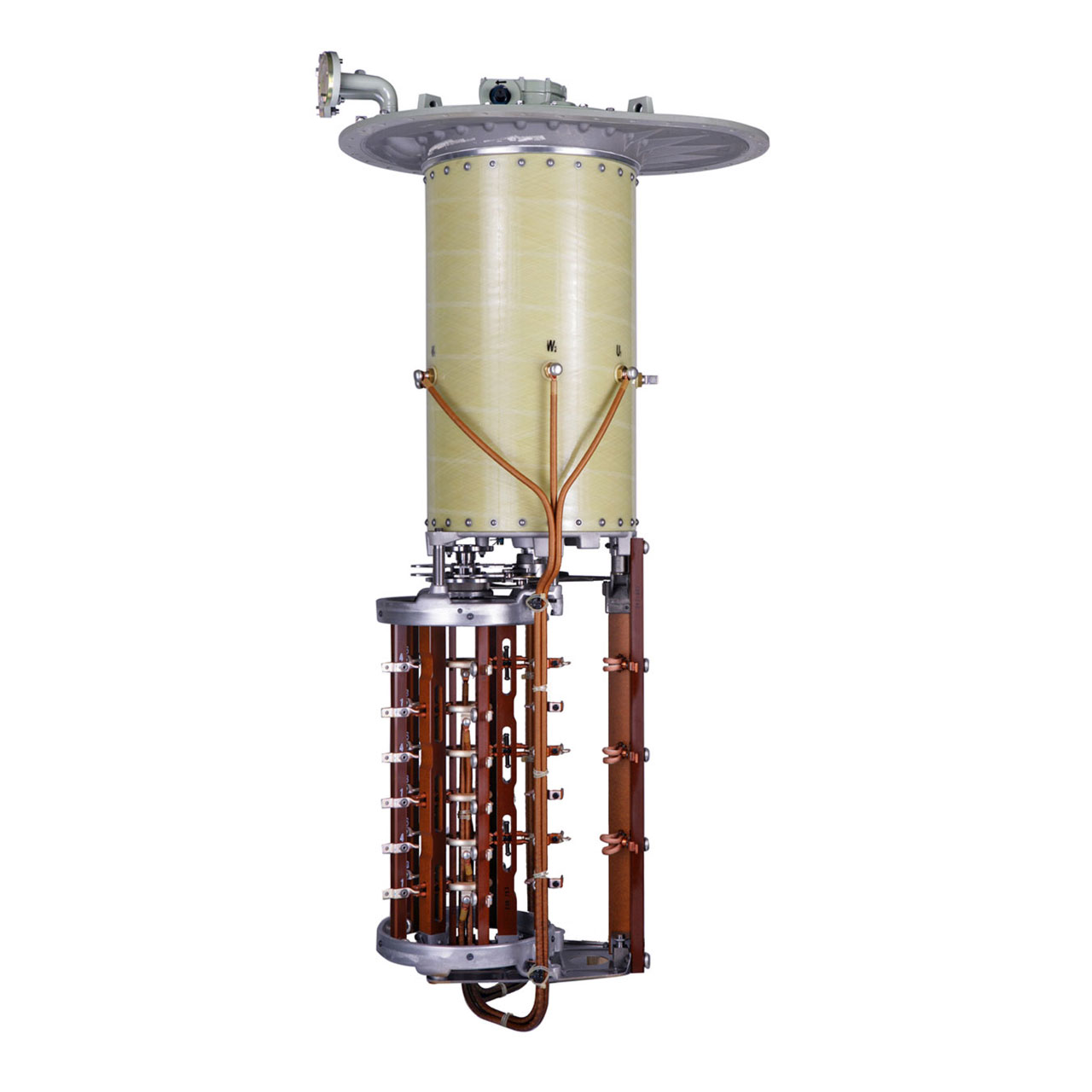
Decades of experience lead to a modular principle that makes diversity manageable and, with new materials, lays the foundation for a new OLTC generation.
Since the beginning of its OLTC production MR has consolidated and even expanded its market position. In the early 1970ies MR decided to design a complete new and state of the art OLTC-type for line-production and marked the first step change in evolution of tap-changer design.
The experience of the past 30 years gained with Type D OLTCs and their derivatives have shown that a certain degree of variability regarding load current, voltage requirements, and number of tap-changer positions must be accommodated, even without complex new designs. This could be achieved by a new developed “modular system”.
In addition to the fundamental modern mechanical design, new insulating materials were also considered. The goal was to replace the previously used oil-impregnated hard paper insulation in the diverter switch with, as a rule, glass fiber reinforced composites. This revolutionary concept initially met with resistance from transformer manufacturers and end customers due to the limited experience with the new materials. The complete conversion of the insulating material in the diverter switch was implemented gradually over the first years of production. The tap-selector was designed new as well but the insulation material, oil-impregnated hard paper, was retained. However, this design was the first step in a new era of using glass fiber reinforced composite materials in high-voltage power transformers and it is used until today.
It quickly became apparent that the high possible variance came at a price and was unnecessary for some applications. Therefore, very soon after the introduction of the Type M, the Type MS was developed as a more cost-effective derivative for smaller power transformers. This involved the use of a significantly simplified selector and a less complex diverter switch.
Types M and MS have become a success story over the years and were copied often. It can be seen as the paragon of OLTCs.