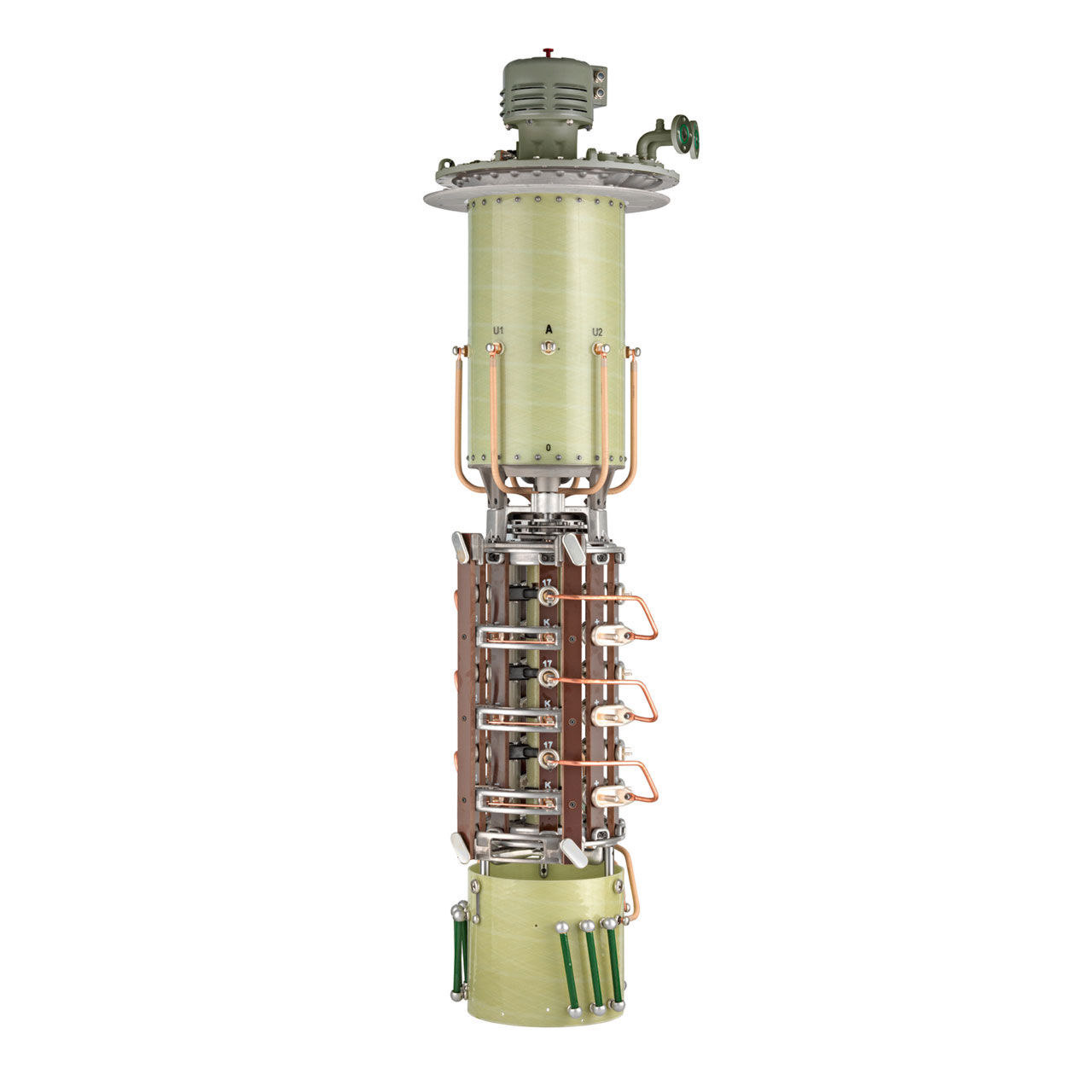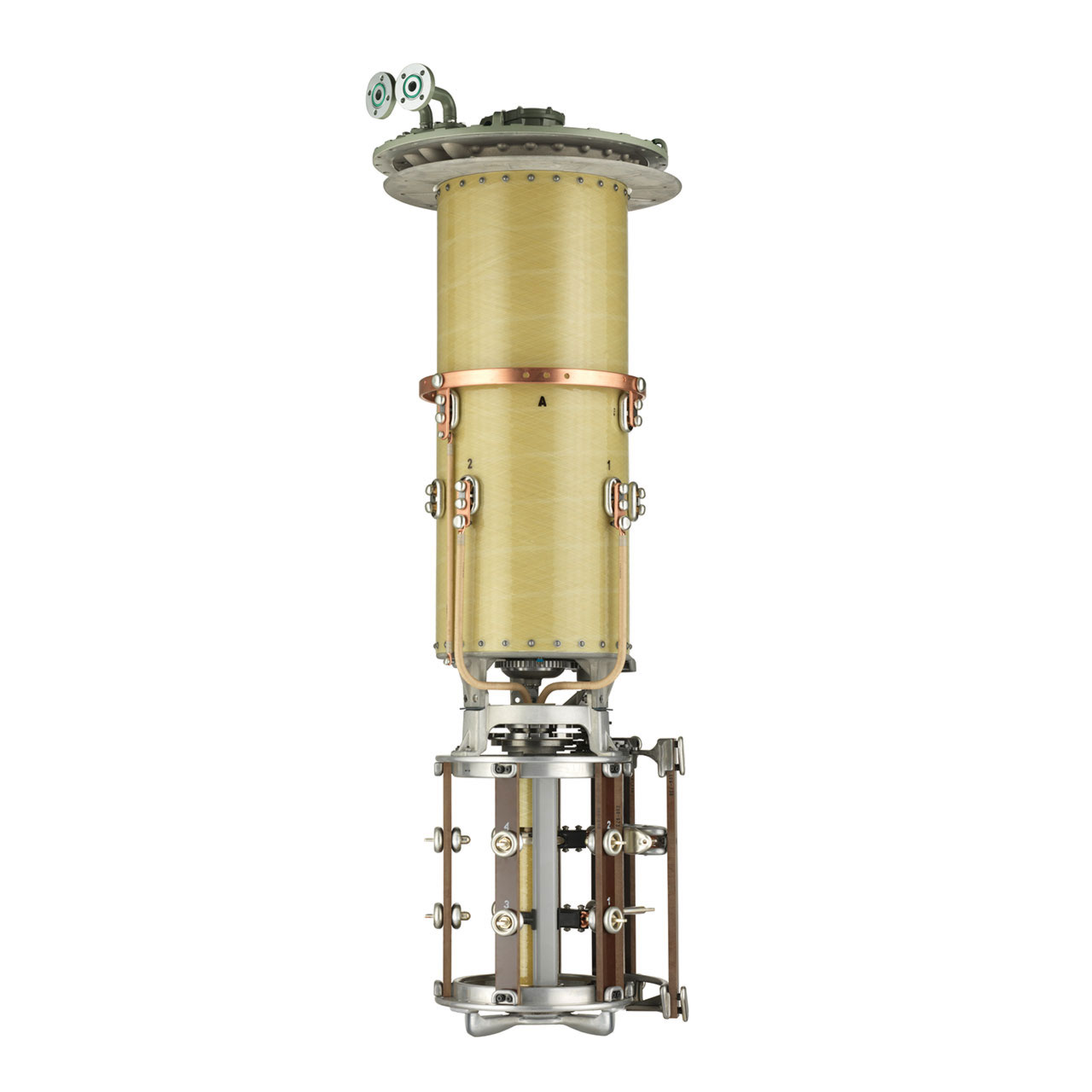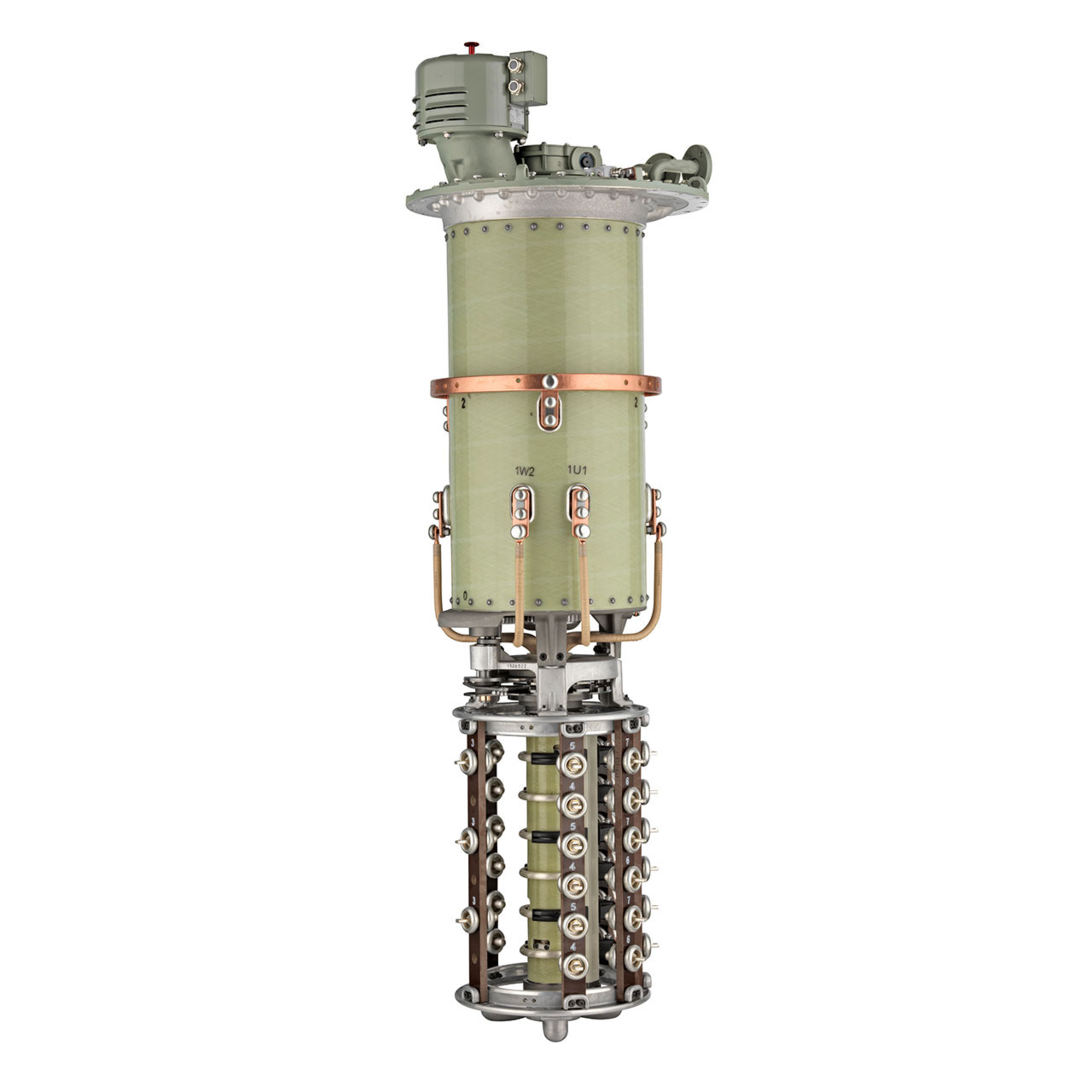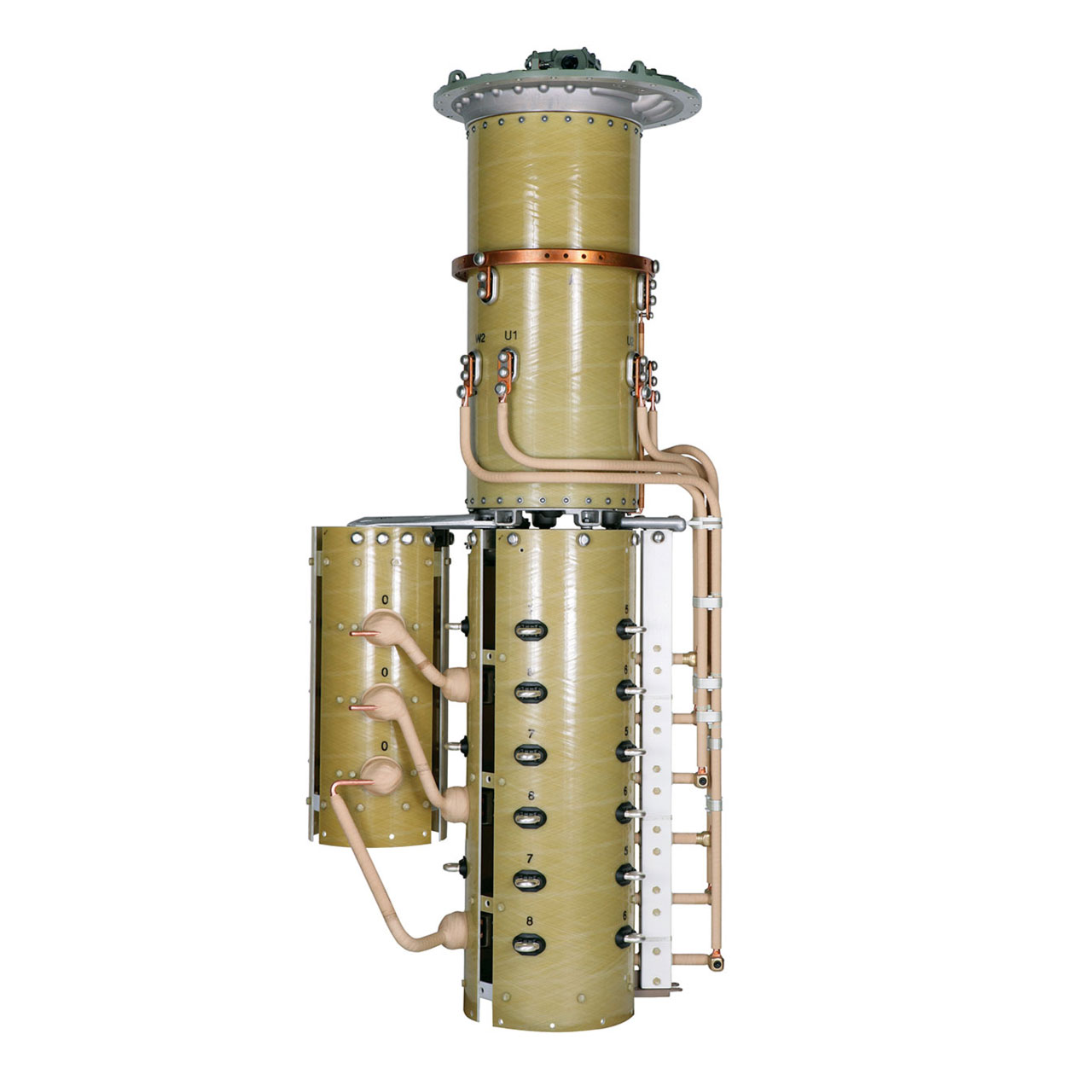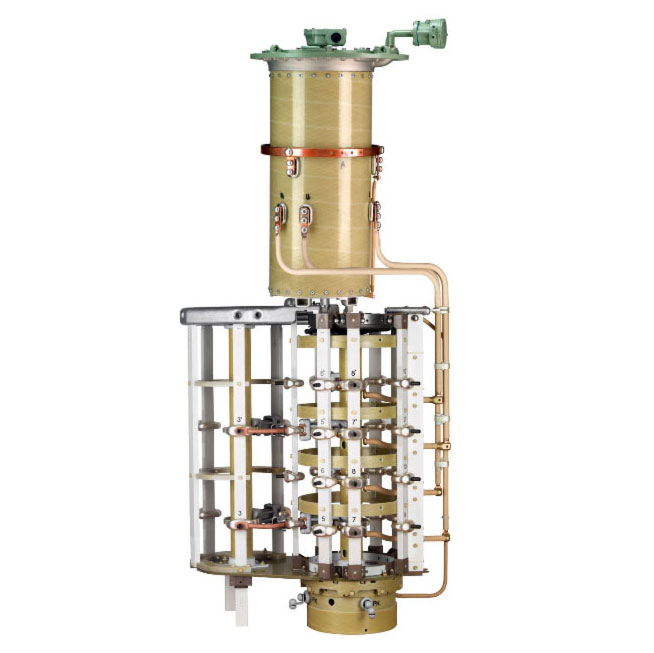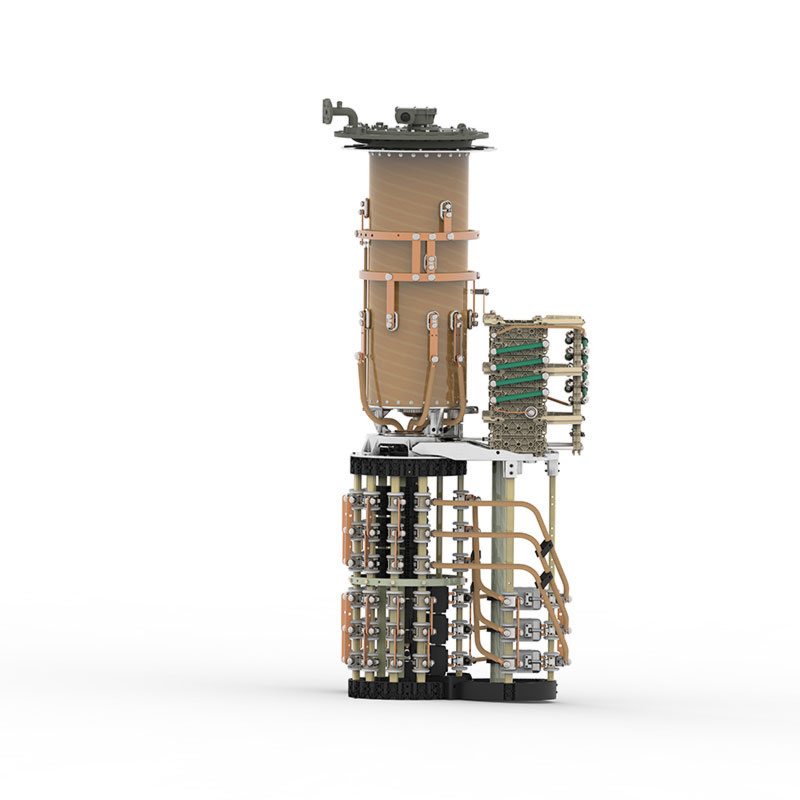
Proven platforms are further refined and upgraded with vacuum technology to address higher performance ranges.
After gaining considerable experience with the VV type, it was only logical to now serve higher performance ranges and upgrade the product portfolio – especially the R and M types - and open a new chapter in the successful company history and marked the second step change in evolution of tap changer design.
Since the newly designed OLTCs could not be significantly larger, it was generally not possible, due to space constraints, to simply replace every oil-switching contact with a vacuum interrupter. Therefore, innovative switching circuit variants for the diverter switch were sought that would reduce the number of VIs required.
To further expand upon the accumulated experience, the Type M, which is the switch with the highest sales volume in the portfolio, was not the first to be implemented with this new technology. However, cost considerations and the required construction volume also played a role in the decision to upgrade the Type R. Since only the diverter switch was redesigned and the performance range remained roughly unchanged, the new OLTC was named VR.
In addition to the very good field experience with the Type VR, the vacuum switching technology brought the customer benefit of enlarged maintenance intervals of some hundred-thousand switching operations instead of some ten-thousands with the conventional design.
After the successful market launch of the VR type, the VM type, i.e., the upgrade to the M type, was the logical next step. The vacuum interrupters were also further developed to optimize performance and dimensions, which opened up further development opportunities for tap-changer construction.